 Shop
Shop
-1.png)

eStoreRx™
Online Supplement Dispensary
eStoreRx™ is an easy direct-to-patient ordering & fulfilment program for lifelong wellness.
For 50 years, Biotics Research Corporation has revolutionized the nutritional supplement industry by utilizing “The Best of Science and Nature”. Combining nature’s principles with scientific ingenuity, our products magnify the nutritional
eStoreRx™ is an easy direct-to-patient ordering & fulfilment program for lifelong wellness.
Biotics Research is proud to expand our commitment to education with the Wellness Unfiltered Pro Podcast. Each episode delves into key health topics and the clinical applications of our premier products. Through candid, insightful conversations, our team offers practical guidance to keep you informed and empowered as a healthcare professional.
October 08 2026
The journal Science Bulletin has recently published a review of research on specialized pro-resolving lipid mediators (SPMs) and autoimmune disease. A...
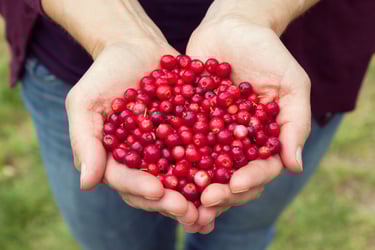
Researchers in Australia recently published the results of their 6-month randomized, placebo-controlled, and double-blinded clinical trial in The American Journal of Clinical Nutrition, reporting on the efficacy of supplementing with whole cranberry fruit powder for women with recurrent urinary tract infections (UTIs). 150 women with a history of recurrent UTIs, defined as ≥ 3 UTIs in the last year or ≥ 2 UTIs in the last 6 months (but excluding women with > 5 within 6 months), received one daily capsule of either placebo or 500 mg whole cranberry powder. Urine cultures were performed at baseline, 3 months, 6 months, and any time a woman presented with symptoms of a UTI.
At 6 months, the whole cranberry extract reduced culture-confirmed UTIs by 52% compared to placebo. Additionally, E. coli was the most frequently detected uropathogenic species in UTIs, and its incidence was also reduced by 51% among women taking cranberry extract. UTIs with symptoms of frequency and urgency were reduced by 71%, with a 59% reduction in the mean total number of UTIs per participant. There was no difference between groups regarding safety outcomes, with no serious adverse events reported.
This finding is roughly consistent with most trials and meta-analyses evaluating some form of cranberry for UTI prevention. For example, a systematic review and meta-analysis published in the Journal of Nutrition, which included seven randomized and controlled trials, found a 26% lower risk of UTI among healthy women at higher risk. The reduction in E. coli incidence noted in this recent study is plausibly cranberry’s mechanism of action, as cranberry has been demonstrated to have an anti-adhesive effect in the bladder. This may be particularly important given a study that found that nearly all women with UTI symptoms have E. coli detectable by PCR (polymerase chain reaction), even when cultures are negative.
Submit this form and you'll receive our latest news and updates.

*These statements have not been evaluated by the Food and Drug Administration. This product has not intended to diagnose, treat, cure, or prevent any disease.
© 2026 Biotics Research Corporation - All Rights Reserved
Submit your comment