 Shop
Shop
-1.png)
eStoreRx™
Online Supplement Dispensary
eStoreRx™ is an easy direct-to-patient ordering & fulfilment program for lifelong wellness.
For 50 years, Biotics Research Corporation has revolutionized the nutritional supplement industry by utilizing “The Best of Science and Nature”. Combining nature’s principles with scientific ingenuity, our products magnify the nutritional
eStoreRx™ is an easy direct-to-patient ordering & fulfilment program for lifelong wellness.
Biotics Research is proud to expand our commitment to education with the Wellness Unfiltered Pro Podcast. Each episode delves into key health topics and the clinical applications of our premier products. Through candid, insightful conversations, our team offers practical guidance to keep you informed and empowered as a healthcare professional.
October 08 2026
The journal Science Bulletin has recently published a review of research on specialized pro-resolving lipid mediators (SPMs) and autoimmune disease. A...
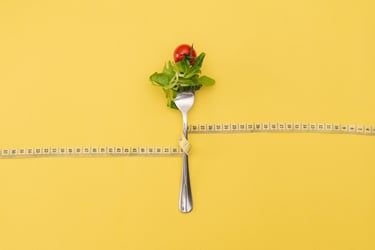
The journal Medicine (Baltimore) recently published the results of a Mendelian randomization analysis evaluating the links between eating disorders, specifically anorexia nervosa and bulimia nervosa, and 25-hydroxyvitamin D (25-OHD) levels. Previous studies suggest that not only is low 25-OHD more likely among people with eating disorders, but it is also associated with greater morbidity and, in recent studies, has been linked to impulsivity. Yet cause and effect are difficult to untangle, prompting this Mendelian randomization, which allows for the determination of a causative effect while examining the possibility of reverse causality.
Several large genome-wide association studies (GWAS) supplied the relevant SNP analyses related to 25-OHD and both eating disorders. The authors concluded that this study provided robust evidence for a protective causal effect of 25-OHD on the risk for anorexia nervosa, but no such association with bulimia nervosa. There was also no evidence of reverse causality, i.e., that either eating disorder could affect 25-OHD levels.
The authors propose several plausible pathways by which vitamin D may protect against anorexia development, including the regulation of serotonin synthesis and activity by vitamin D, as well as dopamine signaling, known to be dysregulated among people with anorexia nervosa. Additionally, vitamin D’s effect on the body’s inflammatory response may help with neuroinflammation, including that which is associated with intestinal permeability and gut dysbiosis.
The study did have limitations, including the use of primarily European data to derive the relevant genetic variants. Also, the limited number of people with bulimia nervosa in the GWAS suggests the lack of an association should be tentatively accepted, with larger studies needed to confirm this finding.
Submit this form and you'll receive our latest news and updates.
The results of a randomized and controlled clinical trial, which evaluated the use of probiotics by people with periodon...
Learn more
*These statements have not been evaluated by the Food and Drug Administration. This product has not intended to diagnose, treat, cure, or prevent any disease.
© 2026 Biotics Research Corporation - All Rights Reserved
Submit your comment