 Shop
Shop
-1.png)
eStoreRx™
Online Supplement Dispensary
eStoreRx™ is an easy direct-to-patient ordering & fulfilment program for lifelong wellness.
For 50 years, Biotics Research Corporation has revolutionized the nutritional supplement industry by utilizing “The Best of Science and Nature”. Combining nature’s principles with scientific ingenuity, our products magnify the nutritional
eStoreRx™ is an easy direct-to-patient ordering & fulfilment program for lifelong wellness.
Biotics Research is proud to expand our commitment to education with the Wellness Unfiltered Pro Podcast. Each episode delves into key health topics and the clinical applications of our premier products. Through candid, insightful conversations, our team offers practical guidance to keep you informed and empowered as a healthcare professional.
October 08 2026
The journal Science Bulletin has recently published a review of research on specialized pro-resolving lipid mediators (SPMs) and autoimmune disease. A...
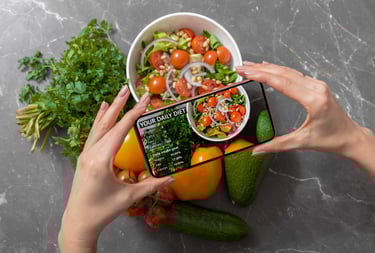
The journal Clinical Nutrition ESPEN recently published the results of a trial comparing physician-guided dietary supplement recommendations for weight loss to artificial intelligence-guided supplement recommendations. This 6-month-long pilot study randomized 60 participants between the ages of 40 and 60 with a body mass index (BMI) of ≥ 25 kg/m2 to one of these two groups, with the primary endpoints of percent weight loss and the number of participants achieving a 5% or greater weight loss. The artificial intelligence (AI) recommendations were individualized by each participant’s genetic, metabolic, and behavioral data.
The mean loss in the AI group was 12.3%, significantly greater than the 7.2% loss observed in the physician-guided group. Additionally, over 83% in the AI group achieved a 5% or greater weight loss, significantly higher than the approximately 53% achieving this in the physician group. Significant differences favoring AI were also observed for fat mass and visceral-fat ratings, postprandial appetite suppression, hunger, satiety, etc. Adverse events were reported to be mild to moderate, with a higher incidence of GI symptoms in the AI group, but they did not affect adherence.
A study previously published by this same group had compared AI-guided to physician-guided supplement recommendations for LDL-cholesterol reduction. In that trial, LDL-C dropped by 25.3% in the AI group, significantly more than the 15.2% observed in the physician-guided group (and no difference in adverse effects). In that trial, the AI-group received more supplements on average (3.5 vs. 2.1), as well as a larger variety, including plant sterols, omega-3 fatty acids, red yeast rice, coenzyme Q10, niacin, and fiber, in contrast to the physician group which largely prescribed niacin and omega-3 fatty acids. Participants with specific genetic variants (in LDLR, APOB, and PCSK9, for example) experienced larger benefits in the AI-guided group.
Submit this form and you'll receive our latest news and updates.
Results of a large population-based observational cohort study examining the association between weight loss and diabete...
Learn more
*These statements have not been evaluated by the Food and Drug Administration. This product has not intended to diagnose, treat, cure, or prevent any disease.
© 2026 Biotics Research Corporation - All Rights Reserved
Submit your comment