 Shop
Shop
-1.png)
eStoreRx™
Online Supplement Dispensary
eStoreRx™ is an easy direct-to-patient ordering & fulfilment program for lifelong wellness.
For 50 years, Biotics Research Corporation has revolutionized the nutritional supplement industry by utilizing “The Best of Science and Nature”. Combining nature’s principles with scientific ingenuity, our products magnify the nutritional
eStoreRx™ is an easy direct-to-patient ordering & fulfilment program for lifelong wellness.
Biotics Research is proud to expand our commitment to education with the Wellness Unfiltered Pro Podcast. Each episode delves into key health topics and the clinical applications of our premier products. Through candid, insightful conversations, our team offers practical guidance to keep you informed and empowered as a healthcare professional.
October 08 2026
The journal Science Bulletin has recently published a review of research on specialized pro-resolving lipid mediators (SPMs) and autoimmune disease. A...
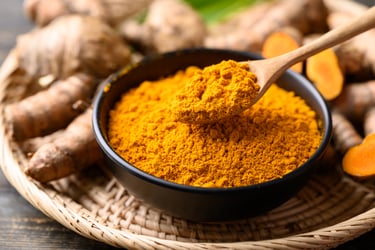
Scientific Reports, one of the Nature journals, has recently published the results of a randomized clinical trial evaluating the supplementation of curcumin on clinical outcomes and atherosclerotic cardiovascular disease risk (ASCVD) among diabetic participants. This was an open-label randomized and controlled trial, with analysis of 72 diabetic participants (aged 50-74) with a calculated 10-year ASCVD risk of at least 5% (determined by age, sex, blood pressure, total and HDL cholesterol, etc.). Half of the participants were randomized to receive conventional therapy, while, in addition to conventional therapy, the other half received 1 capsule, three times per day with meals, containing 450 mg turmeric root and 50 mg turmeric extract (with the latter standardized to 95% curcuminoids) for a total of 14 weeks.
Compared to conventional treatment alone, curcumin supplementation was shown to significantly reduce systolic and diastolic blood pressure. Compared to baseline values, only the group receiving curcumin had a significant reduction in LDL cholesterol, TNF-α, and malondialdehyde levels, and an increase in HDL cholesterol. Additionally, there was a significant decrease in the ASCVD score only in the curcumin group; at baseline, 33.3% of participants fell into the highest 10-year risk category (20% or higher), and after 14 weeks, this had fallen to 13.9% (with no change in the conventional group). Also notable, 22.2% of those in the curcumin group dropped below 5% calculated risk, compared to none in the conventional group. No significant differences were observed in BMI, heart rate, HbA1c level, fasting blood glucose, total cholesterol or triglycerides.
Submit this form and you'll receive our latest news and updates.
Evidence continues to mount that dietary carbohydrate restriction can be beneficial for improving blood sugar control, i...
Learn moreResults of the U.S. Diabetes Prevention Program (DPP) were first published in 2002 in the New England Journal of Medicin...
Learn moreAn analysis recently published in Cardiovascular Diabetology used a cluster-based approach to quantify the risk for deve...
Learn more
*These statements have not been evaluated by the Food and Drug Administration. This product has not intended to diagnose, treat, cure, or prevent any disease.
© 2026 Biotics Research Corporation - All Rights Reserved
Submit your comment