 Shop
Shop
-1.png)

eStoreRx™
Online Supplement Dispensary
eStoreRx™ is an easy direct-to-patient ordering & fulfilment program for lifelong wellness.
For 50 years, Biotics Research Corporation has revolutionized the nutritional supplement industry by utilizing “The Best of Science and Nature”. Combining nature’s principles with scientific ingenuity, our products magnify the nutritional
eStoreRx™ is an easy direct-to-patient ordering & fulfilment program for lifelong wellness.
Biotics Research is proud to expand our commitment to education with the Wellness Unfiltered Pro Podcast. Each episode delves into key health topics and the clinical applications of our premier products. Through candid, insightful conversations, our team offers practical guidance to keep you informed and empowered as a healthcare professional.
April 02 2026
A recently published review in Clinical Obesity discusses the evidence for increased nutritional deficiencies associated with the use of Glucagon-like...
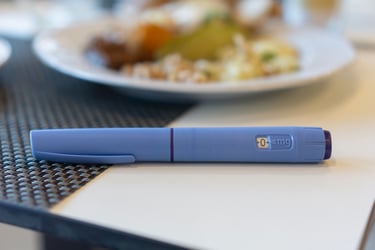
A recently published review in Clinical Obesity discusses the evidence for increased nutritional deficiencies associated with the use of Glucagon-like peptide-1 receptor agonists (GLP-1RAs), including semaglutide, liraglutide, and tirzepatide (a dual GIP/GLP-1RA receptor agonist). A search of PubMed and the Cochrane Database for publications between January 2019 to May 2025 included six adult studies with nearly 500,000 study participants evaluated for nutritional deficiencies.
The most common nutrient deficiency observed with GLP-1RA use was vitamin D, with deficiency occurring in 7.5% of participants at 6 months and 13.6% at 12 months, and an average reported intake of 20% of the recommended value. GLP-1RA use was also associated with 26%-30% lower ferritin levels when compared to sodium-glucose transport protein 2 (SGLT2) inhibitor use (e.g., empagliflozin, canagliflozin, etc.), medications commonly used to treat type 2 diabetes. Additionally, both iron and calcium intake were below recommended levels in over 60% of participants taking GLP-1RA medications. Deficits in both vitamins B1 and B12 were found to increase over time. While weight loss can be substantial on these medications, some of the lost weight is due to a loss of lean mass (30-40% may be from fat-free mass), which this review attributes at least partly to low protein and calcium intake.
Although the data in the included studies are primarily observational and do not show causality, several plausible mechanisms are discussed for these deficiencies. For example, they may result from appetite suppression (lower intake), delayed gastric emptying (one mechanism of drug action), and altered nutrient absorption. Clinicians should be aware of the associated deficiencies that may accompany these widely used drugs to mitigate their unintended consequences.
Submit this form and you'll receive our latest news and updates.
The journal Medicina recently reported the results of a double-blind and placebo-controlled pilot clinical trial evaluat...
Learn moreAs we celebrate the 4th of July, it’s the perfect time to enjoy the bounty of nutritious summer foods. A plethora of res...
Learn moreA systematic review and network analysis was recently published in PeerJ, evaluating the randomized clinical trials of v...
Learn more
*These statements have not been evaluated by the Food and Drug Administration. This product has not intended to diagnose, treat, cure, or prevent any disease.
© 2025 Biotics Research Corporation - All Rights Reserved
Submit your comment