 Shop
Shop
-1.png)

eStoreRx™
Online Supplement Dispensary
eStoreRx™ is an easy direct-to-patient ordering & fulfilment program for lifelong wellness.
For 50 years, Biotics Research Corporation has revolutionized the nutritional supplement industry by utilizing “The Best of Science and Nature”. Combining nature’s principles with scientific ingenuity, our products magnify the nutritional
eStoreRx™ is an easy direct-to-patient ordering & fulfilment program for lifelong wellness.
Biotics Research is proud to expand our commitment to education with the Wellness Unfiltered Pro Podcast. Each episode delves into key health topics and the clinical applications of our premier products. Through candid, insightful conversations, our team offers practical guidance to keep you informed and empowered as a healthcare professional.
October 08 2026
The journal Science Bulletin has recently published a review of research on specialized pro-resolving lipid mediators (SPMs) and autoimmune disease. A...

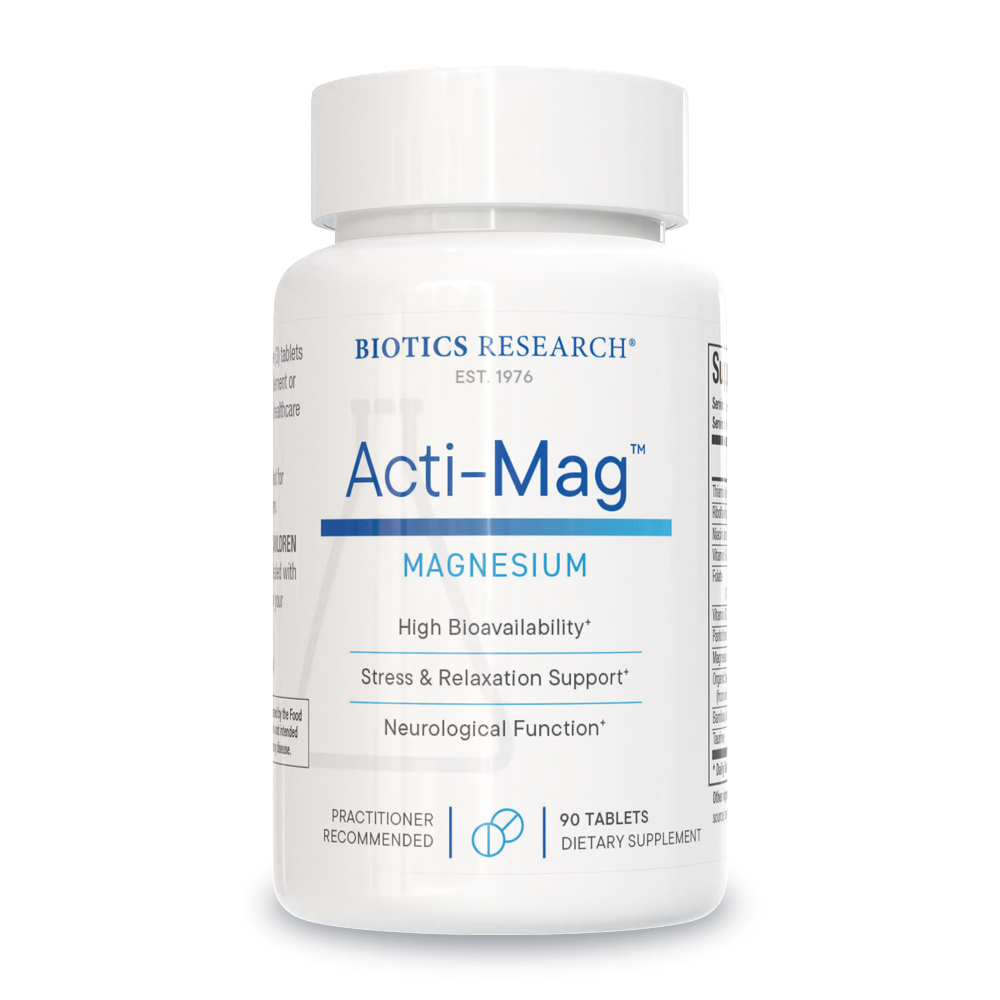
An umbrella meta-analysis of randomized and controlled trials was published in the journal Current Therapeutic Research, Clinical and Experimental, describing the effect of magnesium supplementation on systolic and diastolic blood pressure. This meta-analysis included over 8600 participants and 10 previously published meta-analyses on this topic (over a nearly 20-year period), which have had conflicting results.
Overall, pooling the data in these analyses suggests a significant but small effect of magnesium on systolic blood pressure (-1.25 mmHg), but several variables influenced the magnitude of the reduction, such as duration of supplementation and dose. For example, at doses above 400 mg per day, a larger and more clinically meaningful effect was observed (-6.38 mmHg) in systolic pressure. Similar effects were observed for diastolic pressure, with a small reduction overall (-1.4 mmHg), but at doses above 400 mg, a larger effect was observed (-3.71 mmHg). As the authors point out, magnesium is unlikely to sufficiently control hypertension when used as a monotherapy, but it may have clinical significance when used in combination with other approaches. It’s worth noting that a 5 mmHg reduction in systolic blood pressure has been associated with a 10% reduction in the risk for major cardiovascular events, with benefit even among normotensive individuals.
Magnesium acts via several mechanisms to help reduce blood pressure; it acts as a calcium channel blocker, competes with sodium binding on vascular smooth muscle cells, improves endothelial function, etc. (additional mechanisms discussed in the umbrella review). A somewhat recently developed marker, the magnesium depletion score (MDS, a calculated value based upon risk factors for magnesium depletion), has been associated with a higher overall mortality rate in a large cohort (NHANES) of people with hypertension.
Submit this form and you'll receive our latest news and updates.
Results of a study recently published in the European Journal of Nutrition suggest that low levels of magnesium may incr...
Learn moreMore evidence of the likely neuroprotective effect of magnesium was recently published in the European Journal of Nutrit...
Learn moreA compelling article in The Journal of the American Osteopathic Association highlighted the important role of magnesium ...
Learn more
*These statements have not been evaluated by the Food and Drug Administration. This product has not intended to diagnose, treat, cure, or prevent any disease.
© 2026 Biotics Research Corporation - All Rights Reserved
Submit your comment