 Shop
Shop
-1.png)
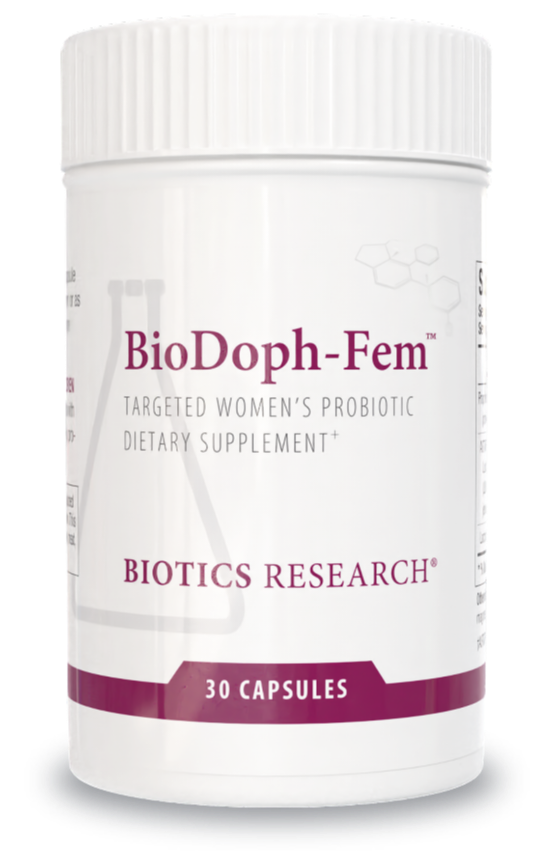
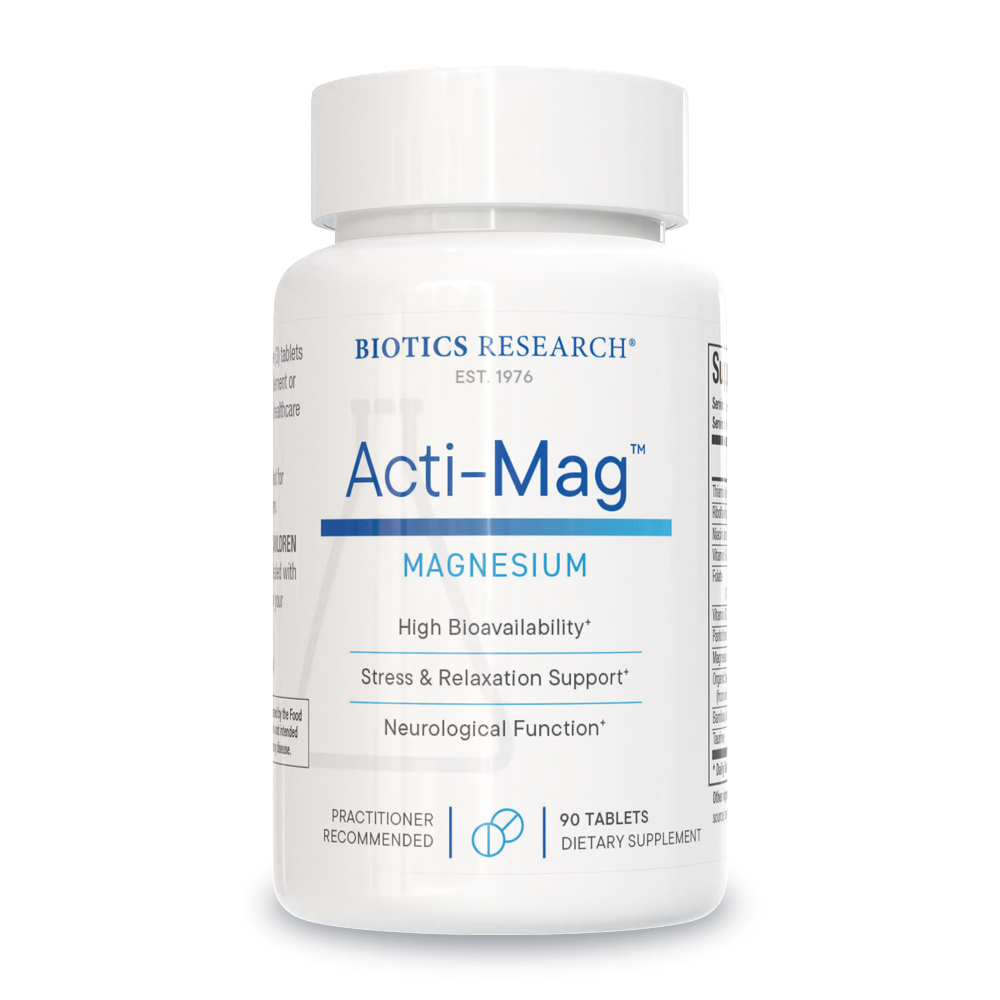
eStoreRx™
Online Supplement Dispensary
eStoreRx™ is an easy direct-to-patient ordering & fulfilment program for lifelong wellness.
For 50 years, Biotics Research Corporation has revolutionized the nutritional supplement industry by utilizing “The Best of Science and Nature”. Combining nature’s principles with scientific ingenuity, our products magnify the nutritional
eStoreRx™ is an easy direct-to-patient ordering & fulfilment program for lifelong wellness.
Biotics Research is proud to expand our commitment to education with the Wellness Unfiltered Pro Podcast. Each episode delves into key health topics and the clinical applications of our premier products. Through candid, insightful conversations, our team offers practical guidance to keep you informed and empowered as a healthcare professional.
October 08 2026
The journal Science Bulletin has recently published a review of research on specialized pro-resolving lipid mediators (SPMs) and autoimmune disease. A...

This past October, JAMA Network Open published the results of a prospective cohort study evaluating the association between light exposure at night and cardiovascular disease. Data from nearly 90,000 individuals (mean age ~62) participating in the UK Biobank provided approximately 13 million hours of light exposure data from wrist-worn light sensors, spanning nearly a 10-year period (including roughly 700,000 person-years of follow-up).
Exposure to night light was associated with higher cardiovascular disease risk in a dose-dependent manner. Compared to people with “dark nights,” defined as the 0 to 50th light percentile exposure, those with brighter nights (51-70th percentile) had a 12% higher risk of coronary artery disease (CAD), while the 71st to 90th percentile was linked to a 20% higher risk, and the 91st to 100th percentile had a 32% higher risk of CAD. Similar associations were found for myocardial infarction and heart failure (e.g., the 91st to 100th percentile had 47% and 56% higher risks, respectively, compared to the 0 to 50th percentile). Elevated risks for atrial fibrillation (32%) and stroke (28%) were also observed for those with the brightest exposures.
Elevated risk persisted after adjustment for multiple lifestyle and socioeconomic factors, as well as preexisting diseases (e.g., diabetes, hypertension) and sleep variables, such as duration or sleep efficiency. Brighter light exposure during the day was also associated with lower cardiovascular disease risk, but not all of the associations remained after adjustment (for daytime exposure). A number of plausible mechanisms related to circadian rhythm disruption are reviewed, with a recommendation to limit nighttime light exposure as an additional intervention to reduce cardiovascular disease risk.
Submit this form and you'll receive our latest news and updates.
The journal Nature Communications recently published the results of a randomized, controlled dietary intervention evalua...
Learn moreA systematic review of randomized trials was recently published in the Annals of Internal Medicine, describing the assoc...
Learn more
*These statements have not been evaluated by the Food and Drug Administration. This product has not intended to diagnose, treat, cure, or prevent any disease.
© 2026 Biotics Research Corporation - All Rights Reserved
Submit your comment